Project: Optimal Entry Point Planning for Cortex-Sparing Tumor Resection
Description
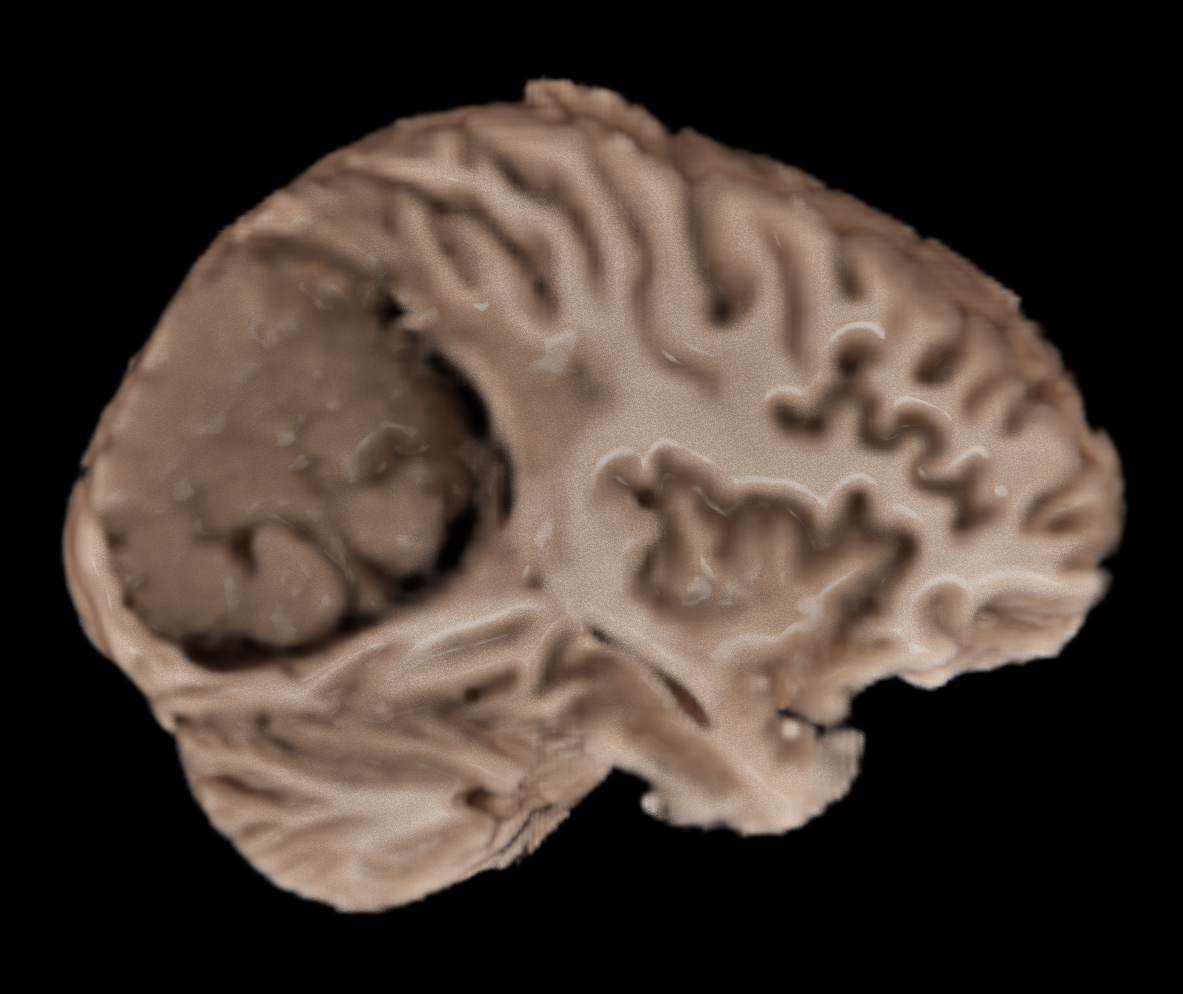
Neurosurgical approach planning for brain tumor resection requires balancing multiple competing anatomical constraints: minimizing damage to eloquent cortex, avoiding critical white matter tracts, respecting vascular structures, and achieving the shortest safe trajectory to the lesion. Currently, this multi-factor reasoning is performed largely by expert intuition during preoperative planning, drawing on structural MRI, diffusion MRI tractography, and angiographic data reviewed separately rather than as an integrated spatial model. This project aims to develop a computational tool that suggests candidate cortical entry points for tumor resection by jointly modeling sulcal/gyral morphology (to favor sulcal or less-eloquent gyral crossings), proximity and orientation of nearby major white matter tracts derived from tractography, distance to vascular structures segmented from angiographic or susceptibility-weighted imaging, and geometric distance/trajectory feasibility to the tumor boundary.
The student will build a pipeline that fuses these multimodal inputs (structural MRI-derived cortical surface reconstructions, diffusion MRI tractography, and vascular segmentation) into a unified scoring or ranking framework over candidate cortical surface points, using techniques such as surface-based geometric analysis, tract-distance field computation, and multi-criteria optimization or learned ranking models. The resulting entry-point suggestions will be validated against retrospective neurosurgical cases and, where possible, compared to surgeon-selected trajectories to assess clinical plausibility.
Details
- Student
-
CCCristiana Carbunaru
- Supervisor
-
 Maxime Chamberland